


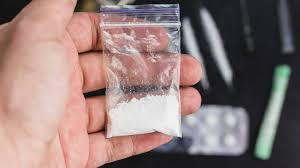

Ecstasy (MDMA)
Ecstasy, also known as MDMA (3,4-methylenedioxymethamphetamine), is a synthetic psychoactive compound that alters mood and perception. It is commonly used in social and party settings for its ability to create feelings of euphoria, emotional closeness, heightened sensory perception, and increased energy.
Originally developed in the early 20th century, MDMA has been studied for its potential therapeutic benefits, particularly in the treatment of PTSD and anxiety, under controlled medical supervision. However, recreational use of Ecstasy often involves risks, as street versions may be mixed with other substances that can be harmful.
The effects typically last between 3–6 hours, depending on dosage, purity, and individual tolerance. Common experiences include:
-
Enhanced empathy and sociability
-
Increased stamina and alertness
-
Heightened sense of touch, sound, and visuals
Potential side effects may include dehydration, jaw clenching, anxiety, or a “comedown” period of fatigue once the effects wear off.
Because of its dual nature as both a recreational drug and a substance under clinical research, Ecstasy remains one of the most talked-about psychedelics in discussions of mental health, neuroscience, and nightlife culture.




Reviews
There are no reviews yet.